未分類」カテゴリーアーカイブ

Eat like locals with this tips about restaurants

150621restaurant1

Is eating good food one of the most important things for your life? If your answer is yes, you share the same value with most people in Japan. The best thing about living in Tokyo is probably that restaurants are everywhere and they are not expensive for the quality.

There are some things that it’s better to know before trying out local restaurants simply so that you don’t get confused. Here are the questions I often get asked.

■Do I need to order drinks?

In Japan, water is usually served for free in restaurants. In some Izakaya (Japanese style dining bar) however, the waiter/waitress doesn’t give you water and just asks you what you want to drink. It makes you feel like you have to order something but you can just ask for water and that’s fine.
150621jpres2

■Can I ask for something off the menu?

You like Brrito but you don’t really like beans. Eating onion makes your stomach feel funny. or drinking milk makes you sick. Everyone has their preferences on food but people in Japan doesn’t seem to ask for something of the menu. You’re right. Most people in Japan don’t ask things off the menu. But it doesn’t mean they don’t have preferences. They think it’s inappropriate or disrespectful to ask things off the menu.

Sometimes, the staff isn’t very flexible (probably because no one really asks in the first place) I have a friend who asked for BBQ sauce instead of mustard sauce for a chicken nugget he got in a McDonald. Maybe it’s because this kind of fast food shops are too manualized.

Do ask to things off the menu if you have a medical reason of course. People do (should) understand.
150621ramen_usagi

■Would it be rude to leave food on the plate?

It is true that Japanese people in general think that it’s a sin to waste food. Books say that it’s because our grand parents generation went through the war and they lived when everyone was starving. Wasting food back then was really a sin. Even though it was more than 60 years ago and none of my generation know what starving was really like, people still make a big deal about wasting food. I’ve seen so many people who eat too much not because the food is good but because they think it’s a bad thing to do.

So, yes. It is probably rude to leave food in Japan. If you know you don’t like some ingredients or the food is simply too much, you can ask the staff to change it or get a smaller portion. I also see many girls doing it for dieting.

■Can I pay individually? / Do I need to tip?

You usually pay for what you ordered in Japan. Izakaya, however, is kind of exceptional. Izakaya rule is that you order many kinds of food in small portion and you share with everyone else. Drinks can be unfair coz some people drink more than others. People go for Nomihodai (all you can drink) to avoid the awkwardness. It’s still not fair if you don’t drink much though.

You may already know but you do not need to tip in Japan. When I say you don’t need to, I mean you can’t. What happens if you are content with the quality of the service from a pretty Japanese waitress and you decide to put some extra money on the table kind of secretly? The waitress literally chases you down and give you back the money. Trust me that’s what really happens.
150621expensive_sushi

■Would it be rude call the waiter / waitress in a restaurant?

You go in the restaurant you always wanted to try. The waitress takes you to the table. You look at the menu and decide what you want. But she doesn’t come back to take your order. You wait and wait and wait… She probably just forgot about you.

When a restaurant is busy, this is what happens sometimes. but you can call the waitress by saying like “Hey!” or “sumimasen!” and it’s not rude at all. In fact, waiter/waitresses get yelled by customers like this all the time. Some people don’t yell at waiters like this but it’s not because they think it’s rude but because it feels embarrassing to be loud in front of people. In some places, there is a button on the table to call a waiter/waitress.
Get some free second hand items on “Jimoty”

150607jimoty2

Online shopping is widely available in Japan. Rakuten and Amazon are the major players here. But You don’t need to buy new items all the time. Sometimes, second hand items are just enough.

Localized version of Craigslist

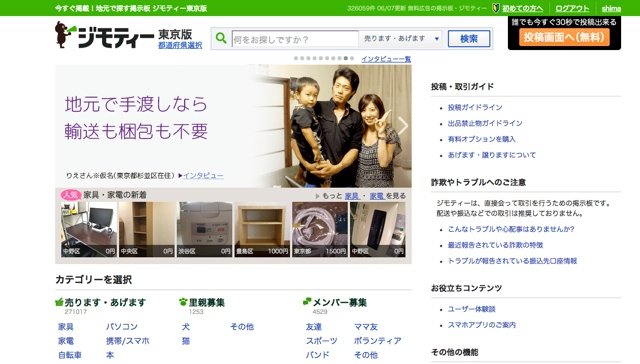
Jimoty is a web service that is getting popular in Japan. It’s basically a Japanese version of Craigslist, A classified advertisements website which people post information about things they want to sell.

Just to note, there is Craigslist Tokyo available. But it’s mainly used by non-Japanese. Jimoty is fully localized to Japanese market and most users are Japanese. I guess it’s wise to use both services depending on what you want to find or sell.

Let me briefly show the statistics about Jimoty.

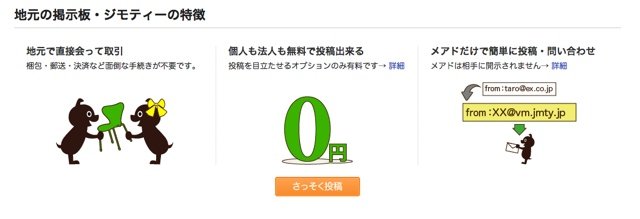
(1) There are 3 million active users every month.
(2) More than 40,000 items are listed every month, about 4000 items are listed for free.
(3) Some listed items are a house, yacht and even land property.

The website recommends you to have hand-to-hand delivery with the seller. but it’s ok to ask to mail it with additional shipping fee. I personally used this service a couple of times and it worked out great. There was once I got a scale, and the seller was nice enough to ship it by mail.

The downside is that the website itself only support Japanese. But you can figure out how it works because the interface is simple.

Sell things you don’t need

150607jimoty3

Getting things online is not the only way to use Jimoty. If you have things you don’t need (like when you leave Japan), you can sell things on Jimoty. According to the statistics, 90% of the seller get a message from a buyer within 24 hours and find a buyer within 7 days. This makes sense because it usually costs some money just to throw away furnitures and electronics in Japan. Even if you’re giving out things for free, it’s still worth it.

The most common budget breakers in Tokyo (and what you should do instead)

150523yen

As most of us already know, cost of living in Tokyo can be very expensive. But it doesn’t mean that you have to rule out Tokyo as a place to live. You just need to be careful with what to spend your money on. As I’ve lived in the city for more than a year, let me tell you the most common budget breakers in Tokyo and what you can do to avoid them.

■ Shopping at convenience stores

As soon as you start living in the city, you notice that there are convenience stores everywhere. It’s convenient because most of the stores are open 24/7. They sell almost everything you need… Food and drinks, snacks, daily commodities like washing detergent, batteries, books etc… their quality of food is surprisingly high and some foods they sell can be as good as what you can get in a fine restaurant. The problem is that things you buy can be expensive. I usually avoid buying things in convenience stores because you can find most of the things in supermarkets too and it’s so much cheaper. Each thing you buy in the store is not expensive but it adds up.

What you should do instead:
Try to avoid convenient stores if you can. Find supermarkets instead to shop your daily stuff. Buying things online (Amazon.co.jp and Rakuten is one of the biggest online shop in Japan) is also cheap.

■ All you can eat and drink

150523cafe

One of the things I want everyone to try is Tabehoudai and Nominohoudai ( “all you can eat” and “all you can drink”) It’s great to indulge yourself like this but they are often expensive for tons of low quality food.

What you should do instead:
Try to find izakaya, a Japanese style dining bar, with a fixed rate menu. For example, the izakaya I go sometimes with my friends are all 290yen per plate. We order many plates and split the cost. You never pay too much in this kind of restaurants. Also you can eat in a restaurant without drinks. Buy drinks in a local liquor store and drink in the house or park. Many people do this because alcohol in Japan isn’t actually expensive.

■ Mobile phone bills

150523iij

Mobile phone bills can be expensive too. If you contract with major 3 companies (docomo, softbank, au) like most people, you end up paying more than 6000 yen a month with two year long contract which is stupid if you only plan to stay for a short period of time. The major companies also charge you 10,000 yen for cancellation fee if you kill the contract before two years.

What you should do instead:
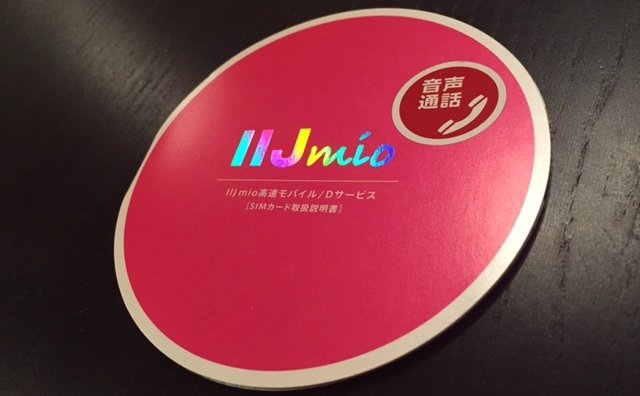
As I showed before, getting an unlocked phone and contract with MVNO service provider is the way to do go. I highly recommend IIJ miofor the contract. They use docomo network (which is the best) and the minimum plan starts from 1,600 yen a month. You can cancel the contract anytime without cancellation fee.

■ Fruits and vegetables

150523berries

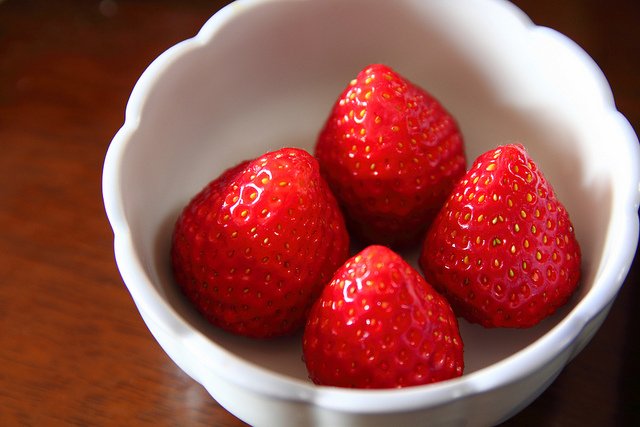
Expensive fruits and vegetables are something you realize only when you start living here. Fruits, especially, are probably the most expensive thing you find in a local supermarket. A single pack of strawberry could cost like 500-600 yen. Gift fruits, especially melons for some reason, are ridiculous. They could cost like 10,000 yen per one. I don’t even know if it’s good. I’ve never had it before and I never will.

What you should do instead:
Find a local vegetable shop owned by a local farmer. There should be many anywhere in Japan since I found some even in Tokyo. Their stores don’t look as clean or fancy as supermarket but the quality is better and less expensive. I was happy when I found a pack of strawberry which only cost me 200 yen.

■ Travel expense

150523train

Interestingly, taking trains in Tokyo is not too expensive. I guess there are enough people in the city to support the train companies. On the other hand, taking trains in rural area in Japan can be very expensive. It means you need to be careful when you travel around Japan.

Airfare is getting cheaper every year thanks to the budget airlines. All you need to watch out is when to fly. Flying on major national holidays like Golden week (beginning of May), Obon (the second week of August), New Year’s holidays, (From the 31st in December to January 3rd) are the budget killers. The air ticket price gets 3-4 times more expensive than usual. Make sure to avoid any flight around those times.

What you should do instead:
Get a bike if you live in a city. You can substitute trains if you know the path.

Try to avoid flying on national holidays. That’s when everyone tries to fly.

Photo by Stefan Lins and t-mizo

Soon You will see more Japanese people in Nederland

150510klmplane

You think Japanese working culture is closed and exclusive? The situation might change in a few years.

The government of Nederland has recently changed their law and they now say that people with Japanese citizenship do not need to get a working permit to work in the country. At this point, not many people know about this news but it’s definitely a hot topic to talk about in Japan now.

The law was not changed because the Nederland government was kind to Japanese people. There was a lawsuit against a company which hired a Japanese worker for a job in Amsterdam. It was about whether or not it’s legal to hire someone outside of EU for this specific job (a carpenter specializing in Japanese style temple or shrine) to build a Japanese cultural center.

Interestingly, the lawyer defended the company by bringing up the treaty (The Treaty of Trade and Navigation between the Netherlands and Japan) which is signed about a 100 years ago. On the 24th in December 2014, the supreme court admitted the argument and announced the change. The local law firm, Everaert Advocaten explains:

In this judgment the Council of State interprets a treaty between the Netherlands and Japan stemming from 1913 and ultimately concludes that work permits cannot be required for Japanese nationals seeking employment.

The Labour Inspectorate has confirmed today that it will follow and apply this reading of the treaty, awaiting the planned amendments of relevant legislation to properly reflect the position of Japanese nationals in Dutch immigration law.

Language could still be the problem for most Japanese people to actually work in the country but it’s still a big thing because the visa issue is always the most difficult part for seeking an employment in Europe.

I’ve been imagining what we could see in a few years. Many younger generation will try to look at this as an opportunity to work in Europe and possibly other countries in EU. This law change applies to entrepreneurs and self employed workers too. So maybe you’ll see more Japanese startups or Japanese restaurants in Nederland or more cultural exchange in-between the countries.

It could accelerate the change in working culture in Japan as many people seek for the employment overseas getting used to a different environment.

I’ll try to ask questions to some Japanese people already working in Nederland.

Looking for a place to exercise? Find a school

150502community_center

Tokyo is a great city for food lovers. You get to eat not just Japanese food but also other cuisine from all over the world. I confirmed this when my friend of an Italian chef told me that the pizza in Tokyo is as good as in Italy. He says that good pizza restaurants in Tokyo should be introduced in Lonely planet because you can travel an asian country and eat the best quality pizza at the same time.

Eating good food is great. Getting fat is not. Some exercise can be tricky in Tokyo because lands and spaces are limited. Here’s the way me and my housemates get a place for exercise on weekends.

School gym rental

You can rent a gym in public schools in Tokyo. You need to go to the local city hall to sign up as a group. The conditions are different depending on the local community you are living in. In my case, the city of Mitaka is renting out school buildings and public gyms. Below are the facilities you can rent. (in case of Mitaka city)

—————-

■School yard
Available in 15 elementary schools and 7 middle schools.
Renting hours:
From 9 a.m. to 6 p.m. (From April to October)
From 9 a.m. to 4:30 p.m. (From November to March)

■School gym
Available in 15 elementary schools and 7 middle schools.
Renting hours:
From 9 a.m. to 9 p.m.

■Tennis court
Available in 5 middle schools.
Renting hours:
From 9 a.m. to 6 p.m. (From April to October)
From 9 a.m. to 4 p.m. (From November to March)

※The school yard and tennis court in some school are available at night until 9 p.m.

—————-

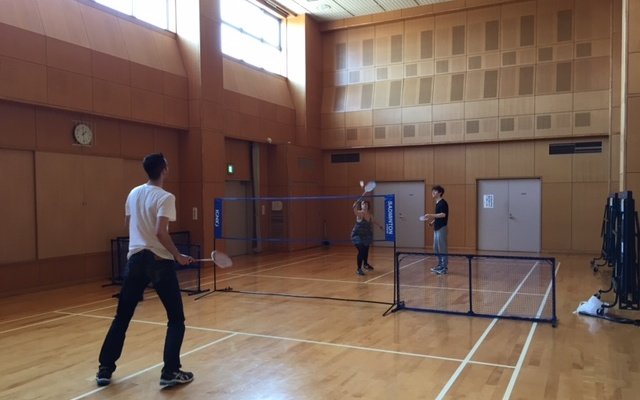
You can play basket ball, pingpong, and badminton in the gym. You may be able to play something else depending on the school. Just be aware that you need to create a group with a certain number of people to be able to make a reservation.

There is also a community center in your neighborhood. There are at least 6 community centers in Mitaka. The one closest to my house is attached with a library, sports ground for baseball, gym, and even a rental kitchen.

The first week of April is the best season to visit Japan

150413sakura1

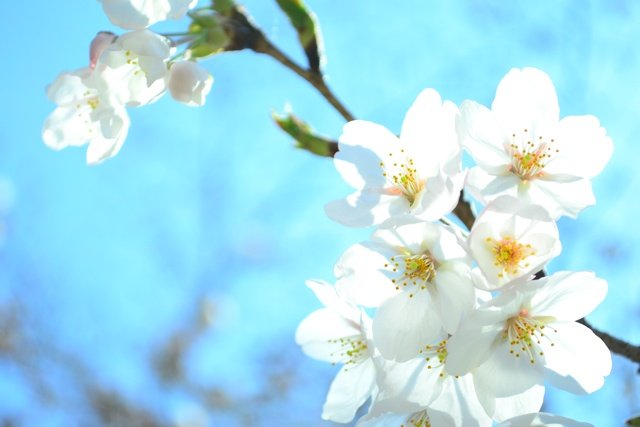
Cherry blossoms are absolutely beautiful around this time of the year. Many Japanese people enjoy Hanami, which literally means “flower viewing”. Hanami is something to celebrate the arrival of the new season (with tons of alcohol of course).

April is a special month for Japanese people. It’s when it gets warm and you can finally feel the long winter is gone. It’s when the school year starts. Companies set annual objectives. If you are thinking about traveling in Japan. It’s probably the best week. You want to double check with the “cherry blossoms forecast” which works exactly like a weather forecast but it’s about when would be the best timing to see bloomed cherry blossoms depending on where you live in Japan. The period of Hanami is very short. They can only be seen around the first week in April.

150411sakura2

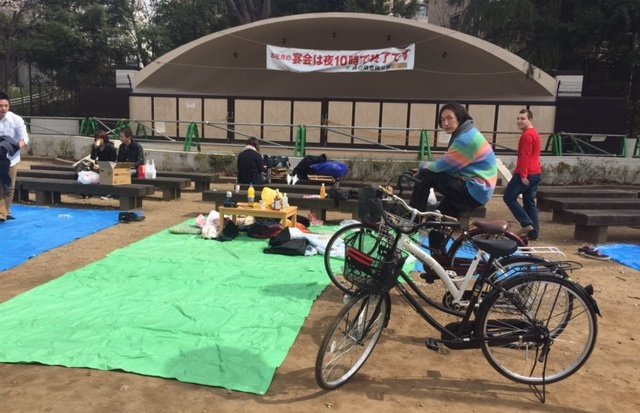
Hanami starts with waking up super early in the morning to take a space in the park. Last week, my housemates and I woke up at 5 A.M and headed to Inokashira park. Crazy? Not as much. When we got there, there were already people sleeping on tarps in sleeping bags. Those people came here and took the space on the previous night and stayed there until morning!

150413hanami1

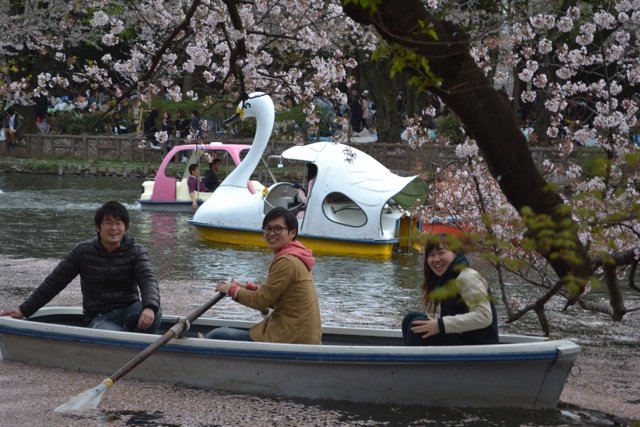
The lake side is especially beautiful as sakura petals covers the surface of the lake. Low boat is also fun. If you like taking pictures, you get to try shooting from different angles and get to close to the trees.

150411sakura3

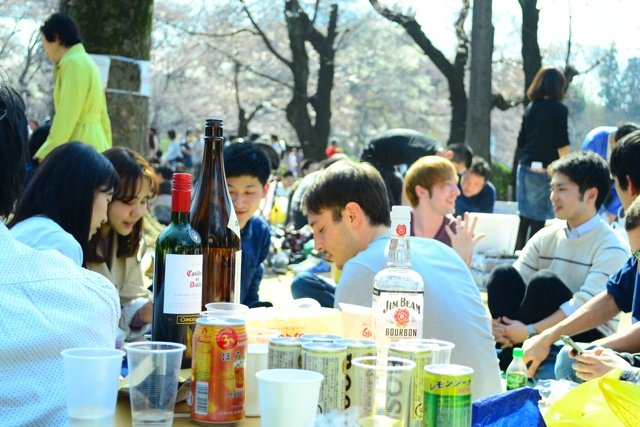
Inokashira park is usually filled with super drunk people during Hanami season. Spotting some crazy people can be a fun way to spend time at Hanami.

Cheers!

Photo by Chinatsu Okizaki

Visiting Namchai : A local Thai dining bar around our neighborhood

150406namchai1

A great thing about living in Tokyo is that everything is close by. It depends on where you live, but usually car is not necessary and having bike is more than enough to go around your neighbor. The house I live in now is in Kichijoji / Inokashira park area. For us, the nice big shopping area of Kichijoji is within walking distance (about 10-15 mins) but sometimes it’s nice to go to some place where we can reach within 5 mins.

150406namchai2

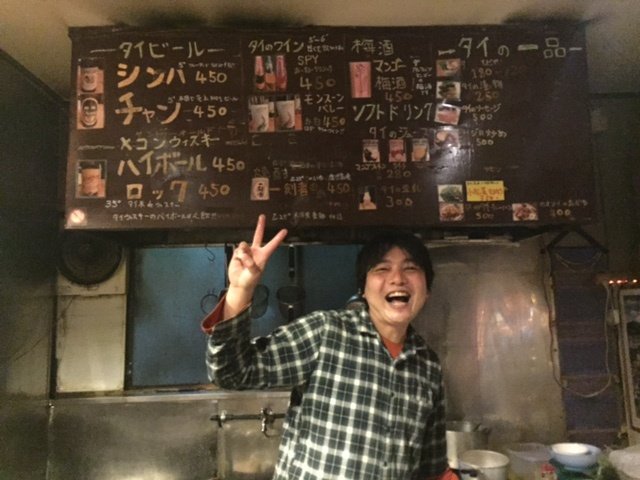
Namchai is one of the restaurants me and my housemates go these days. It’s a Thai restaurant and run by a Japanese guy who have stayed in Thailand for a couple of years to study Thai cooking. I love this guy because he is funny and relaxed. Not a typical guy you see in Japan and that’s a compliment.

Food is great and it’s surprisingly cheap compared to other Thai places I know in Tokyo ( there are many Thai restaurants in Tokyo just like you see many kebabs in Germany).

150406namchai3

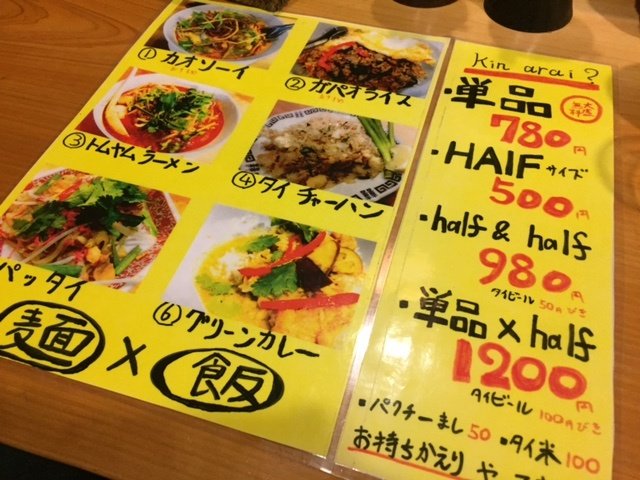
Typical Thai food in Tokyo cost around 2500 to 3000 yen with drinks, but 1500 to 2000 yen is more than enough at Namchai.

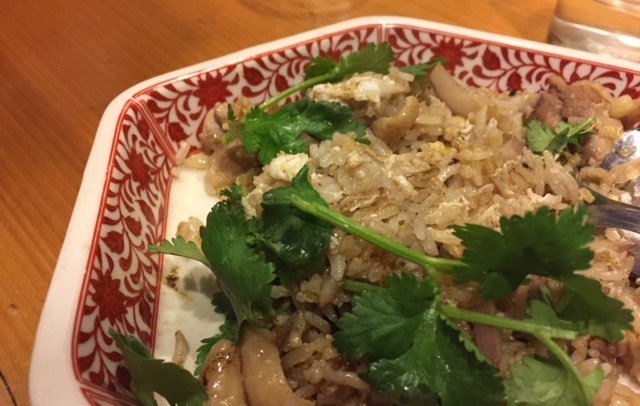
Thai food usually comes with such a small portion. Not this place. Ask for extra portion for free and it’s all set. My favorite food is Gapao rice which is a fried rice with Chicken, Thai fish sauce, oyster sauce, and basil.

150406namchai4

This place only opens at night and sometimes he says he doesn’t even open it when he doesn’t feel like it. Consider yourself lucky if you successfully get into the restaurant!

Ways to lower your rent in Tokyo (using oak house system)

150310oaktop

Photo by MOTOSUMIYOSHI-ANNEX

As many people living in Tokyo may have already realized, the rent is pretty high when compared to other cities in Japan.

A typical Tokyo apartment costs around 75,000 – 97,000 yen on average around the Yamanote line–areas like Shibuya and Ueno. Compare this to Osaka and Nagoya where you can expect to pay 40,000 – 50,000 yen for a similar sized place.

To make matters worse, expensive rent is not the only problem. Quite a few landlords in Japan refuse to even rent out rooms if you are not Japanese.

However living a share house has advantages over private apartments.
During my time living in a oak house, I noticed there are a few ways to make the rent cheaper.

1. A blogger discount

2273696904_fe7a683cbf_z

Photo by Ryan.

If you are good at writing, oak house is looking for writers who actually live in one of their share houses. The amount of discount varies depending on how much writing experience you have. I personally think it’s a great system even if it’s a small discount. Living in another country is such a great experience. And its simple – just keep a daily journal during your stay and publish it on the oak house blog. It could help you remember things you might forget in the future.

2. Become the “trash guy”

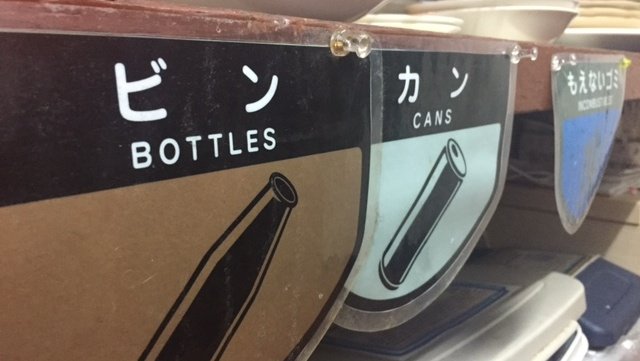
150310trash

Every oak house share house is cleaned by contracted cleaning staff but taking care of daily trash that piles up is done by an oak house resident. The “trash guy”. In return, he gets 10,000yen off his rent every month. This is actually a cool system but it could be difficult to get the job. Try being extra friendly to the current trash guy and maybe you can take over his role when he moves out.

3. Smart membership discount

150310smartmembership2

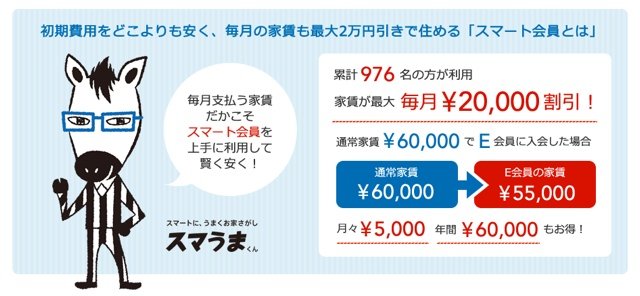
This is probably the biggest and the most feasible discount that you can apply for. Basically, you get a monthly discount on your rent depending on how much money you deposit in oak house’s bank account. You can choose how much money you would like to deposit starting from 100,000 yen (1,000 yen discount per month) up to a maximum of 2,000,000 yen (20,000 yen discount per month). This can make a big difference. I often get asked, “can oak house be trusted?” I’d say yes. When I applied for this discount a year ago, oak house issued a copy of the agreement. If you need to access the money for any reason, the process to get the money back is simple and quite fast (1-2 days.)

4. Bring in someone you know “The referral system”

150310campaign

If you know someone interested in living in share house, introduce them to one of the oak houses. You and your friend get 10,000 off rent next month. Your friend doesn’t even have to move into your share house. It can be any share houses as long as they belong to oak house. One of my Thai friends once brought 7 or 8 Thai students from his country and he didn’t have to pay rent for two months. Isn’t this crazy? but this could really happen.

5. Aim for the campaign

150310oak

Photo by Premiere Matsudo

Every once in a while, Oak house offers a campaign called “Komi-komi plan” which is a free management fee campaign. In every oak house, you need to pay something called management fee which starts from 10,000 to 30,000 yen (depends on the house) on the top of the rent. The management fee is waived during this campaign. It’s a one time discount but it’s definitely worth getting it if you can.

What do you think? Let me know if you have any question.

No more expensive phone bills with unlocked phone and SIM card

150209IIJmio

If you are spending 6000 to 7000 yen every month on your phone contract in Japan, it is time to make a change. I know 6000 yen a month is already expensive but that’s the amount most people with smartphones pay in Japan.

There is a way to cut down the phone bill. I spend about 1600 yen a month and it’s very easy to start even if you don’t understand Japanese.

Remember, you don’t need to make a contract with any of the major telecommunication companies like Docomo, au, or Softbank.

What you need is…

・An unlocked phone
・SIM card service provider

That’s it. There are several companies which provide SIM card services. What I’d personally recommend is the service provider called “IIJ Mio phone“. I’ve been using their SIM card for about 4 months and I’m very happy with it.

The best part is their price. If you want a phone number, the minimum plan is 2GB for 1600yen (this is the plan I chose). If you don’t need a phone number and ok with just data, it’s even cheaper starting from 900 yen a month.

Only downside is that SIM free phones are usually expensive and you need a decent amount of money as an initial investment. It’s easy if you are comfortable using android phones which starts from 20,000yen (depending on the model). iPhones however are far more expensive as the latest iPhone 6 priced at 75,800yen on Apple online store (as of February 10th, Apple stopped selling the latest model due to the heavy demand).

Anyway, if you don’t mind using Android phones or old model iPhones, it wouldn’t be too hard to find one in Japan. It also works with the phones you can find in countries such as Taiwan, Hong Kong, and Singapore because all the phones sold in those countries are SIM free (unlocked).

One more thing to mention about this service is that they don’t have a 2 years contract policy unlike typical contracts with major companies. So if you make a contract with the major companies and you decide to leave Japan before the contract ends, you’d need to pay about 10,000 yen or more just to cancel the contract. It’s kind of like a evil system that everyone hates but major companies continue to do.

The situation might change soon though. There is a new law taking effect in May 2015 which will allow us to unlock any phone at will. It’s probably a good change and the amount of money people have to pay may go down thanks to the competition.

Let me know if you have any comments or questions!

Introducing “Spice Up Tokyo” : A blog written by a Oak house resident

unnamed (1)

Interested in living in Japan? Whether you’re into Japanese culture, language, or modern pop culture, it’s frustrating to know how little information out there about the actual life in Japan. On this series of blog posts, I’d like to introduce useful tips when you actually start living in this somewhat mysterious country.

My name is Shima, a 28 years old Japanese guy living in Tokyo. I work as a professional editor and currently live in one of the Oak house share houses in the area called Kichijoji.

I call my series of posts “Spice Up Tokyo” hoping that you find a way to make the most of your days in Tokyo. I plan to update at least once a week. Enjoy!