月別アーカイブ: 2015年5月

The most common budget breakers in Tokyo (and what you should do instead)

150523yen

As most of us already know, cost of living in Tokyo can be very expensive. But it doesn’t mean that you have to rule out Tokyo as a place to live. You just need to be careful with what to spend your money on. As I’ve lived in the city for more than a year, let me tell you the most common budget breakers in Tokyo and what you can do to avoid them.

■ Shopping at convenience stores

As soon as you start living in the city, you notice that there are convenience stores everywhere. It’s convenient because most of the stores are open 24/7. They sell almost everything you need… Food and drinks, snacks, daily commodities like washing detergent, batteries, books etc… their quality of food is surprisingly high and some foods they sell can be as good as what you can get in a fine restaurant. The problem is that things you buy can be expensive. I usually avoid buying things in convenience stores because you can find most of the things in supermarkets too and it’s so much cheaper. Each thing you buy in the store is not expensive but it adds up.

What you should do instead:
Try to avoid convenient stores if you can. Find supermarkets instead to shop your daily stuff. Buying things online (Amazon.co.jp and Rakuten is one of the biggest online shop in Japan) is also cheap.

■ All you can eat and drink

150523cafe

One of the things I want everyone to try is Tabehoudai and Nominohoudai ( “all you can eat” and “all you can drink”) It’s great to indulge yourself like this but they are often expensive for tons of low quality food.

What you should do instead:
Try to find izakaya, a Japanese style dining bar, with a fixed rate menu. For example, the izakaya I go sometimes with my friends are all 290yen per plate. We order many plates and split the cost. You never pay too much in this kind of restaurants. Also you can eat in a restaurant without drinks. Buy drinks in a local liquor store and drink in the house or park. Many people do this because alcohol in Japan isn’t actually expensive.

■ Mobile phone bills
150523iij

Mobile phone bills can be expensive too. If you contract with major 3 companies (docomo, softbank, au) like most people, you end up paying more than 6000 yen a month with two year long contract which is stupid if you only plan to stay for a short period of time. The major companies also charge you 10,000 yen for cancellation fee if you kill the contract before two years.

What you should do instead:
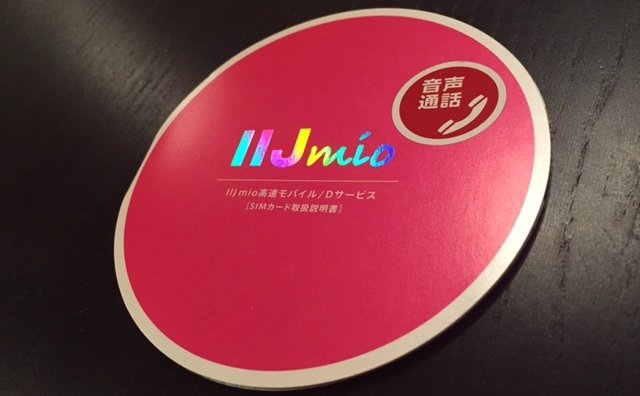
As I showed before, getting an unlocked phone and contract with MVNO service provider is the way to do go. I highly recommend IIJ miofor the contract. They use docomo network (which is the best) and the minimum plan starts from 1,600 yen a month. You can cancel the contract anytime without cancellation fee.

■ Fruits and vegetables

150523berries

Expensive fruits and vegetables are something you realize only when you start living here. Fruits, especially, are probably the most expensive thing you find in a local supermarket. A single pack of strawberry could cost like 500-600 yen. Gift fruits, especially melons for some reason, are ridiculous. They could cost like 10,000 yen per one. I don’t even know if it’s good. I’ve never had it before and I never will.

What you should do instead:
Find a local vegetable shop owned by a local farmer. There should be many anywhere in Japan since I found some even in Tokyo. Their stores don’t look as clean or fancy as supermarket but the quality is better and less expensive. I was happy when I found a pack of strawberry which only cost me 200 yen.

■ Travel expense
150523train

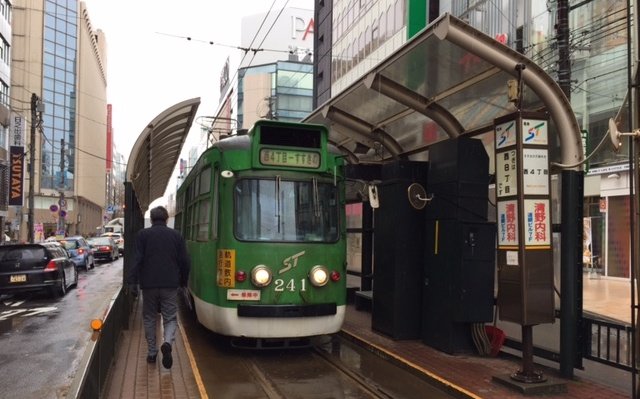
Interestingly, taking trains in Tokyo is not too expensive. I guess there are enough people in the city to support the train companies. On the other hand, taking trains in rural area in Japan can be very expensive. It means you need to be careful when you travel around Japan.

Airfare is getting cheaper every year thanks to the budget airlines. All you need to watch out is when to fly. Flying on major national holidays like Golden week (beginning of May), Obon (the second week of August), New Year’s holidays, (From the 31st in December to January 3rd) are the budget killers. The air ticket price gets 3-4 times more expensive than usual. Make sure to avoid any flight around those times.

What you should do instead:
Get a bike if you live in a city. You can substitute trains if you know the path.

Try to avoid flying on national holidays. That’s when everyone tries to fly.

Photo by Stefan Lins and t-mizo

Soon You will see more Japanese people in Nederland

150510klmplane

You think Japanese working culture is closed and exclusive? The situation might change in a few years.

The government of Nederland has recently changed their law and they now say that people with Japanese citizenship do not need to get a working permit to work in the country. At this point, not many people know about this news but it’s definitely a hot topic to talk about in Japan now.

The law was not changed because the Nederland government was kind to Japanese people. There was a lawsuit against a company which hired a Japanese worker for a job in Amsterdam. It was about whether or not it’s legal to hire someone outside of EU for this specific job (a carpenter specializing in Japanese style temple or shrine) to build a Japanese cultural center.

Interestingly, the lawyer defended the company by bringing up the treaty (The Treaty of Trade and Navigation between the Netherlands and Japan) which is signed about a 100 years ago. On the 24th in December 2014, the supreme court admitted the argument and announced the change. The local law firm, Everaert Advocaten explains:

In this judgment the Council of State interprets a treaty between the Netherlands and Japan stemming from 1913 and ultimately concludes that work permits cannot be required for Japanese nationals seeking employment.

The Labour Inspectorate has confirmed today that it will follow and apply this reading of the treaty, awaiting the planned amendments of relevant legislation to properly reflect the position of Japanese nationals in Dutch immigration law.

Language could still be the problem for most Japanese people to actually work in the country but it’s still a big thing because the visa issue is always the most difficult part for seeking an employment in Europe.

I’ve been imagining what we could see in a few years. Many younger generation will try to look at this as an opportunity to work in Europe and possibly other countries in EU. This law change applies to entrepreneurs and self employed workers too. So maybe you’ll see more Japanese startups or Japanese restaurants in Nederland or more cultural exchange in-between the countries.

It could accelerate the change in working culture in Japan as many people seek for the employment overseas getting used to a different environment.

I’ll try to ask questions to some Japanese people already working in Nederland.

Looking for a place to exercise? Find a school

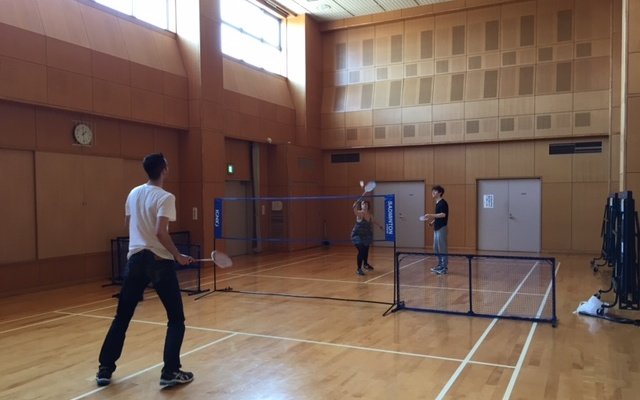
150502community_center

Tokyo is a great city for food lovers. You get to eat not just Japanese food but also other cuisine from all over the world. I confirmed this when my friend of an Italian chef told me that the pizza in Tokyo is as good as in Italy. He says that good pizza restaurants in Tokyo should be introduced in Lonely planet because you can travel an asian country and eat the best quality pizza at the same time.

Eating good food is great. Getting fat is not. Some exercise can be tricky in Tokyo because lands and spaces are limited. Here’s the way me and my housemates get a place for exercise on weekends.

School gym rental

You can rent a gym in public schools in Tokyo. You need to go to the local city hall to sign up as a group. The conditions are different depending on the local community you are living in. In my case, the city of Mitaka is renting out school buildings and public gyms. Below are the facilities you can rent. (in case of Mitaka city)

—————-

■School yard
Available in 15 elementary schools and 7 middle schools.
Renting hours:
From 9 a.m. to 6 p.m. (From April to October)
From 9 a.m. to 4:30 p.m. (From November to March)

■School gym
Available in 15 elementary schools and 7 middle schools.
Renting hours:
From 9 a.m. to 9 p.m.

■Tennis court
Available in 5 middle schools.
Renting hours:
From 9 a.m. to 6 p.m. (From April to October)
From 9 a.m. to 4 p.m. (From November to March)

※The school yard and tennis court in some school are available at night until 9 p.m.

—————-

You can play basket ball, pingpong, and badminton in the gym. You may be able to play something else depending on the school. Just be aware that you need to create a group with a certain number of people to be able to make a reservation.

There is also a community center in your neighborhood. There are at least 6 community centers in Mitaka. The one closest to my house is attached with a library, sports ground for baseball, gym, and even a rental kitchen.