

Complete Guide for Foreigners Renting a Room in Japan | Share Houses, Furnished Apartments, and Long-Term Rentals
Release date : 2026.03.11 Last updated : 2026.06.10
For foreigners looking for housing in Japan, the Japanese rental system can feel very different from what they are used to in their home countries.
In particular, two-year contracts, unfurnished apartments, the limited number of foreigner-friendly rental properties, guarantor requirements, tenant screening, utility setup, and strict garbage disposal rules are common challenges for first-time renters in Japan.
This guide explains the eight common challenges foreigners face when searching for housing in Japan, how to deal with them, and the differences between the main housing options available in Japan.
Table of Contents
- Complete Guide for Foreigners Renting a Room in Japan | Share Houses, Furnished Apartments, and Long-Term Rentals
- Common Questions and Challenges Foreigners Face When Searching for Housing in Japan
- 8 Challenges Foreigners Face in Japan
- 3 Housing Options Available for Foreigners
- How Foreigners Can Rent a Room in Japan
- Daily Life Rules for Living Comfortably in Japan
- Why Foreigners Choose Oakhouse
- Frequently Asked Questions
- Summary
Common Questions and Challenges Foreigners Face When Searching for Housing in Japan
For many foreigners looking for housing in Japan, Japanese rental homes can feel somewhat unfamiliar.
Rental contracts, housing customs, and daily life rules can be very different from those overseas, so many people feel confused at first.
Many people have questions such as:
- Why are two-year rental contracts so common in Japan?
- Is it normal for apartments in Japan to come without furniture or appliances?
- Can foreigners rent a room in Japan?
- What should I do if I do not have a guarantor?
- Are garbage disposal rules really strict in Japan?
- What is checked during tenant screening?
- Do I need to set up water, electricity, gas, and internet myself?
This article systematically explains the challenges foreigners face when searching for housing in Japan and how to solve them.
It also covers how to choose housing options that are suitable for foreigners.
Share houses are also popular among foreign residents, allowing you to enjoy international exchange while living in Japan.

8 Challenges Foreigners Face in Japan
Challenge 5: Do Foreigners Need a Guarantor?
Many rentals in Japan do not come with furniture or appliances, so newly arrived residents may struggle to prepare for daily life immediately after arriving.
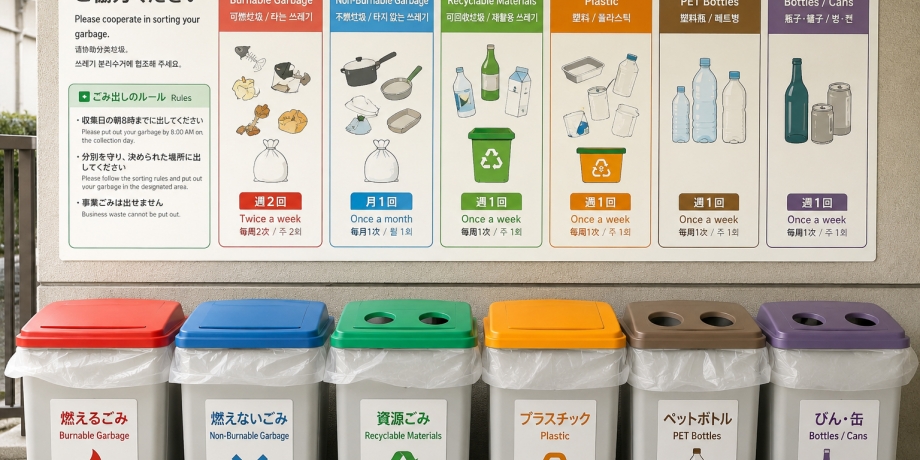
Sorting rules, collection days, and disposal times are set by each local area.
Sorting burnable garbage, non-burnable garbage, recyclables, and other categories
Designated collection days
Morning disposal time limits
If the rules are not followed, garbage may not be collected and it can also lead to problems with neighbors.
After moving in, it is important to check the local municipal rules and get used to them as part of daily life.
Challenge 8: Are Garbage Disposal Rules in Japan Strict?
In many Japanese rental properties, tenants need to arrange utility contracts themselves after moving in.
- Electricity
- Gas
- Water
- Internet
Challenge 7: Do I Need to Set Up Electricity, Gas, Water, and Internet Myself?
In Japan, tenant screening is carried out before signing a rental contract. The following items are often checked:
- Income and ability to pay rent
- Residence status
- Occupation
- Credit information
Challenge 6: Japanese Rentals Require Tenant Screening
Many rental contracts in Japan require a joint guarantor.
A joint guarantor is someone who becomes financially responsible if the tenant is unable to pay rent.
However, for foreigners, finding a guarantor in Japan can be difficult and may become a major barrier.
For this reason, many people need to consider options such as
- using a guarantor company
- looking for properties that do not require a guarantor
Challenge 1: Why Are Two-Year Rental Contracts So Common in Japan?
Rental contracts in Japan involve many procedures, so it usually takes some time before move-in. The general process is as follows:
- Property search
- Viewing
- Application
- Tenant screening
- Contract signing
Because of this process, it may take one to two weeks or longer before move-in. For foreigners in particular, preparing documents and completing screening may take extra time, so it is important to plan with enough flexibility.
Challenge 4: It Takes Time to Move Into a Rental Property in Japan
Not all rental properties in Japan accept foreign tenants.
Applications may be rejected due to language barriers, differences in lifestyle customs, or concerns about unpaid rent.
Especially in the standard rental market, options can be limited, so it is important to choose foreigner-friendly properties or real estate companies.
Although more properties for foreigners are becoming available, narrowing down your conditions in advance can help make the housing search smoother.
Challenge 3: There Are Limited Foreigner-Friendly Rental Properties
In Japan, most rental apartments do not come with furniture or appliances.
After moving in, tenants often need to prepare their own refrigerator, washing machine, bed, curtains, table, and other essentials.
This is partly due to the Japanese custom of choosing your own furniture, but it can easily become a major burden for foreigners.
Especially right after arriving in Japan, purchasing, arranging delivery, and installing furniture and appliances can take time and effort, making it difficult to start daily life immediately.
For short-term stays, the cost of buying furniture and appliances for only a few months can be a heavy burden, and disposing of them when moving out can also become an issue.
For this reason, whether to choose a furnished apartment is an important decision point.
Challenge 2: Are Japanese Rental Apartments Usually Unfurnished?
In Japan, two-year rental contracts are common and are generally designed for long-term residency.
For this reason, the contract period can become a major hurdle for foreigners planning short-term stays such as study abroad programs or working holidays.
In addition, initial costs such as deposits, key money, and agency fees are often required at the time of contract and may total around four to six months’ rent.
Some contracts may also include penalties for early cancellation, so it is important to check the contract terms in advance.
3 Housing Options Available for Foreigners
Share Houses
Often the best option for foreigners
- Fully furnished
- Utilities included
- No guarantor required in some cases
- Opportunities for international exchange
Find Foreigner-Friendly Share Houses
Fully furnished, no guarantor required, and easy to move in with lower initial costs
Furnished Apartments (Monthly)
For short- to mid-term stays
- Lower initial costs
- Ready to move in
- Easy to relocate
View Furnished Apartments (for Short- and Mid-Term Stays)
Ready to move in, easy to relocate, and suitable for short-term contracts
Long-Term Rental Apartments
For long-term living
- Greater freedom
- Usually unfurnished
- Stricter contract conditions
Find Long-Term Apartments
Ideal for those who want to stay longer and create their own lifestyle
Choosing housing that matches your length of stay and lifestyle is important, whether it is a share house, furnished apartment, or long-term rental apartment.
How Foreigners Can Rent a Room in Japan
STEP 1: Property Search
Choose your preferred area and conditions, then search for properties.
STEP 2: Viewing
Check the room in person.
STEP 3: Application
Submit the required documents.
STEP 4: Tenant Screening
Your income and residence status will be checked.
STEP 5: Contract and Move-In
After signing the contract, you can move in.
When renting a room in Japan, several steps are required from property search to contract signing.
Daily Life Rules for Living Comfortably in Japan
Understand garbage disposal rules
You need to follow sorting rules, collection days, and disposal times.
Set up utility contracts
Contracts for electricity, gas, and other utilities may be required.
Follow neighborhood manners
Pay attention to noise and shared spaces.
In Japan, garbage disposal rules vary by area, and residents need to follow sorting rules and collection days.
Why Foreigners Choose Oakhouse
Oakhouse has a strong track record of providing housing where foreigners can live comfortably in Japan, and it is chosen by many overseas users. Even if you are worried about Japanese rental contracts or daily life rules, Oakhouse offers an environment where it is easier to start your new life smoothly.
Fully Furnished Rooms for a Smooth Start
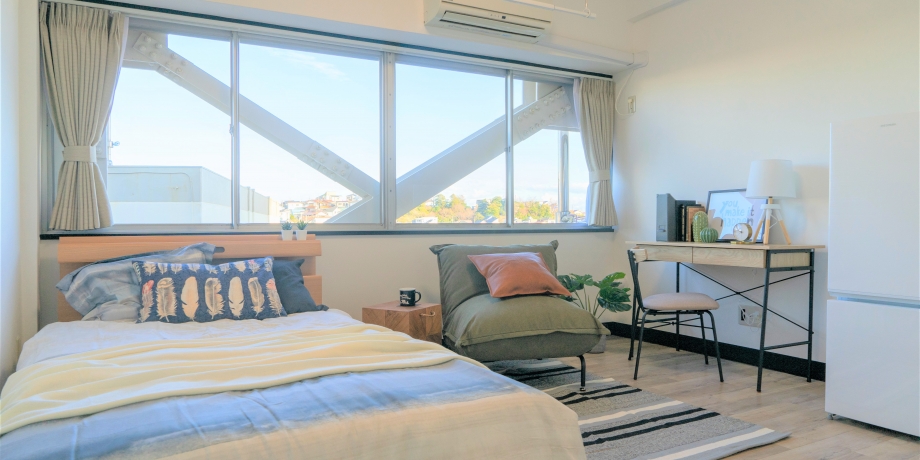
Many properties come with essential furniture and appliances such as beds, refrigerators, washing machines, air conditioners, desks, and curtains. This means:
- You can start living immediately after arriving in Japan
- You can reduce furniture purchase costs
- You can avoid unnecessary expenses even for short-term stays
Lower Initial Costs
In standard rental apartments, deposits, key money, agency fees, and other costs can make initial expenses high. At Oakhouse, many properties offer features such as
- no guarantor required
- no deposit or key money
- utilities included
Foreigner-Friendly Support and English Assistance
Oakhouse has staff experienced in supporting foreign residents and provides assistance in English and other languages.
From housing inquiries and contract procedures to questions about daily life in Japan, it is easy to ask for support, making it easier for people who are not confident in Japanese to start their new life smoothly.
An Environment That Encourages International Exchange
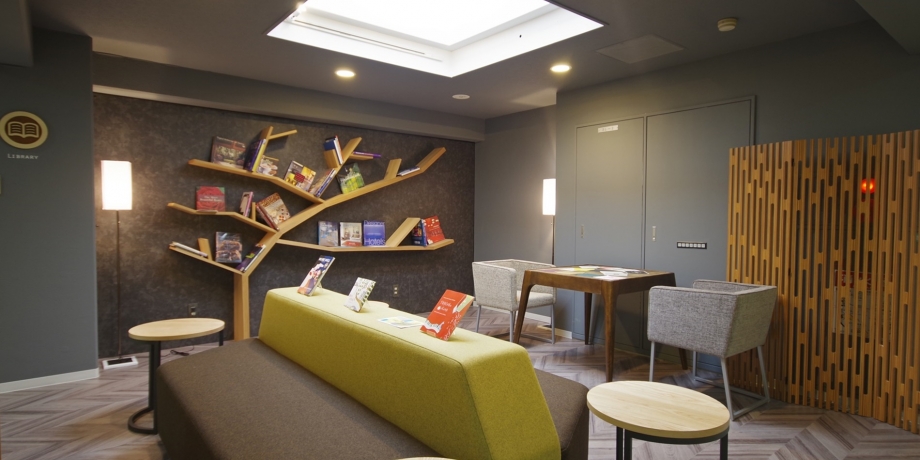
Oakhouse is home to residents from many different countries, creating an environment where you can interact not only with Japanese residents but also with people from around the world.
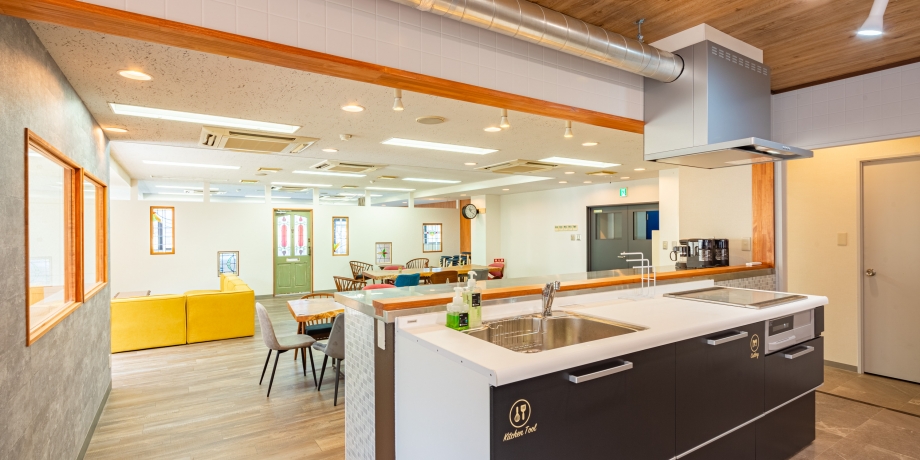
Through lounges and shared spaces, natural communication happens easily, making Oakhouse popular among people who want to make new friends and build a community in Japan.
At Oakhouse, residents from many nationalities live together and start their new life in Japan as part of an international community.
Frequently Asked Questions
Can foreigners rent a room in Japan?
Yes. Choosing foreigner-friendly properties makes the process smoother.
How much are initial costs?
In general, initial costs can be around four to six months’ rent.
What type of housing is recommended?
For short-term stays, share houses and furnished apartments are recommended.
Summary
When foreigners search for housing in Japan, they may face challenges related to:
- 1. Contracts
- 2. Costs
- 3. Furniture
- 4. Screening
- 5. Guarantors
- 6. Utilities
- 7. Daily life rules
and many other issues.
However,
choosing a share house or furnished apartment can significantly lower these hurdles.
Choose the housing option that best matches your length of stay and purpose in Japan.
Related article
- Can You Use a Share House for a Short-Term Stay? Benefits and How to Choose One
- Share House Initial Costs in Japan: Average Costs and Breakdown
- Explaining the Pros and Cons of Share Houses and How to Choose the Right One
- [Rent Comparison Table Included] Are Share Houses Really Cheap? A Complete Comparison with Standard Rentals
Recently viewed properties

タイトル
テキスト
注釈