Coliving is a way of living that combines your own private space with shared facilities and opportunities to connect with other residents.
Around the world, “coliving” — also written “co-living” or “co living” — is increasingly used to describe homes that bring together privacy, shared spaces, convenient services and community.
In Japan, many of these ideas have long developed through the share house.
Oakhouse began providing housing for international residents and Japanese returnees in 1992, and Oakhouse Co., Ltd. was established in 1998. Since 1992, Oakhouse residents have combined private living space with shared facilities, information exchange and connections with people from different backgrounds — many of the same qualities now associated with coliving.
Coliving is a style of shared living that combines private living space with communal facilities and opportunities for residents to connect. Many coliving homes are professionally managed and may include shared lounges, kitchens, workspaces, furnished rooms, services and community activities.
There is no single model that defines every coliving property. Facilities, services and the level of interaction between residents vary from one home to another.
In general, coliving may include:
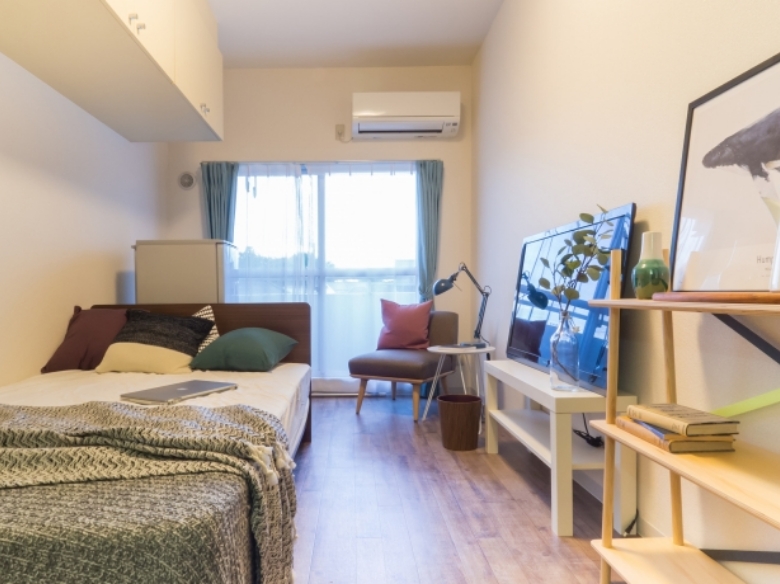
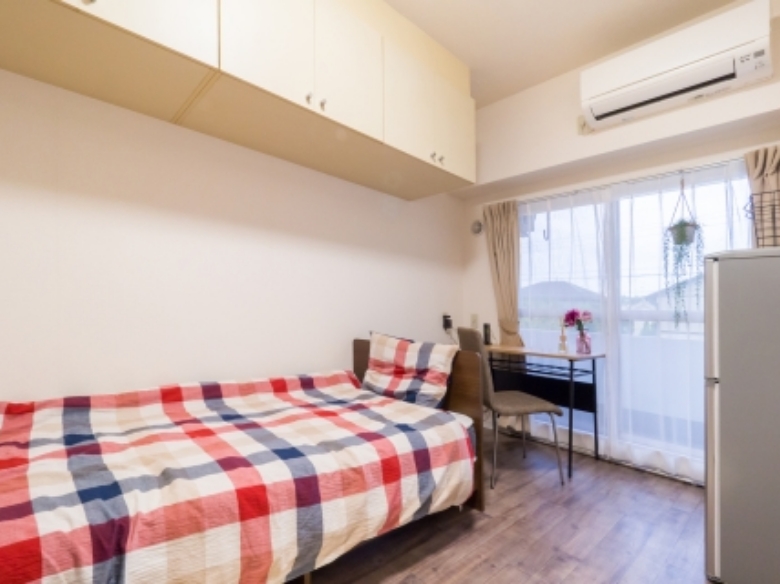
Your own bedroom or private living space
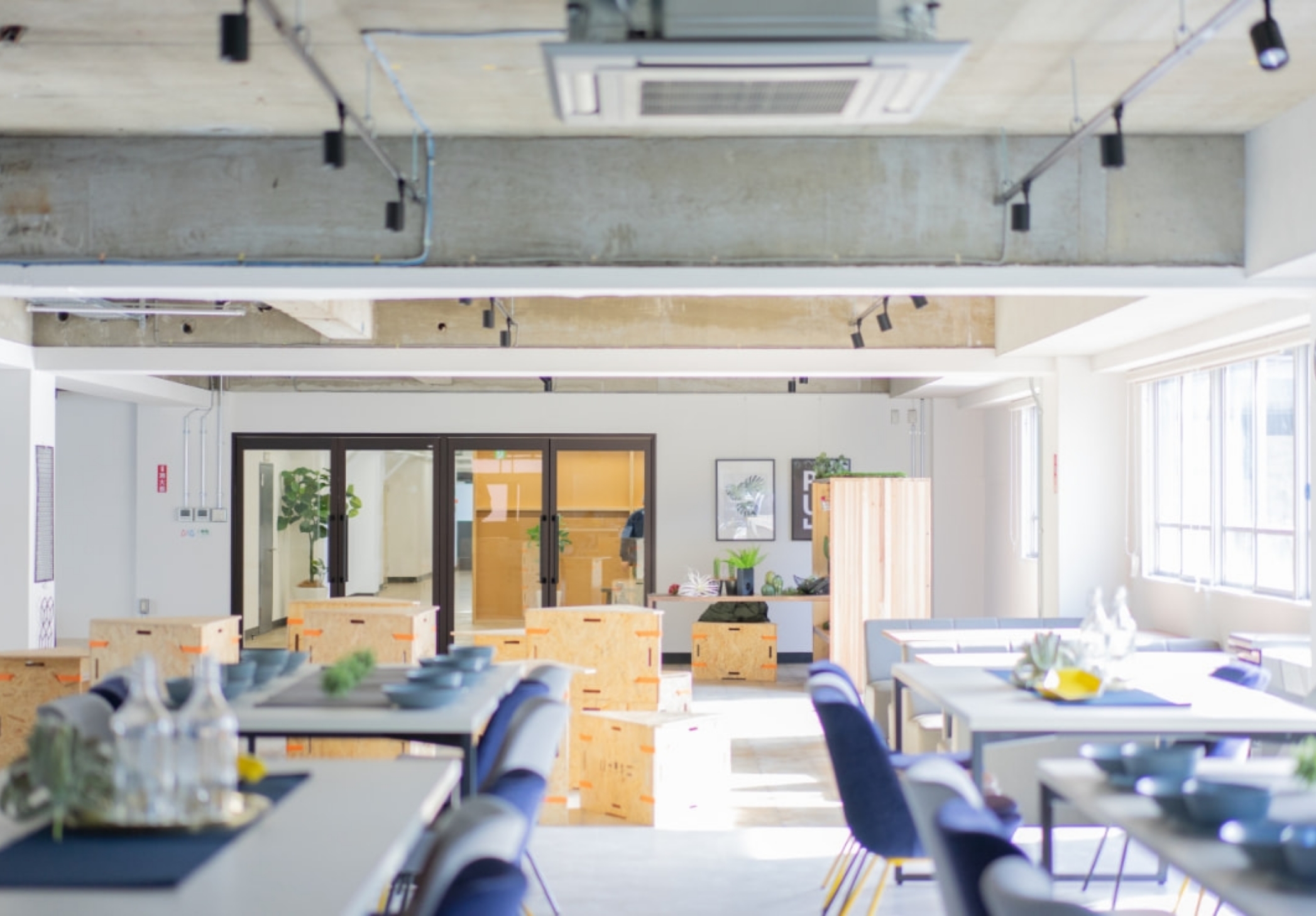
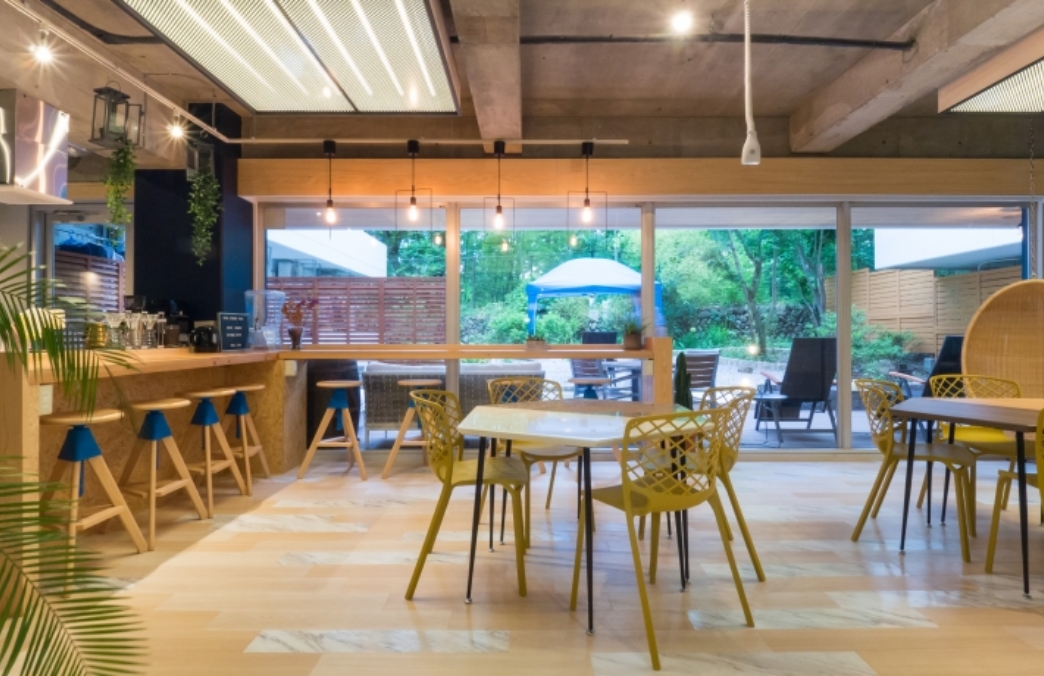
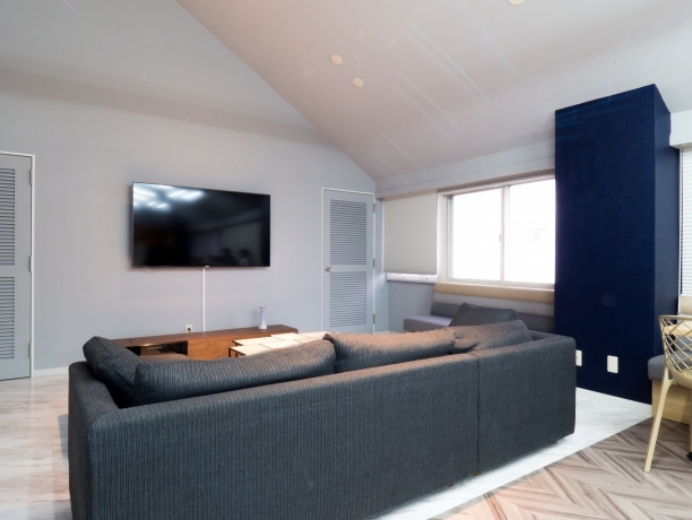
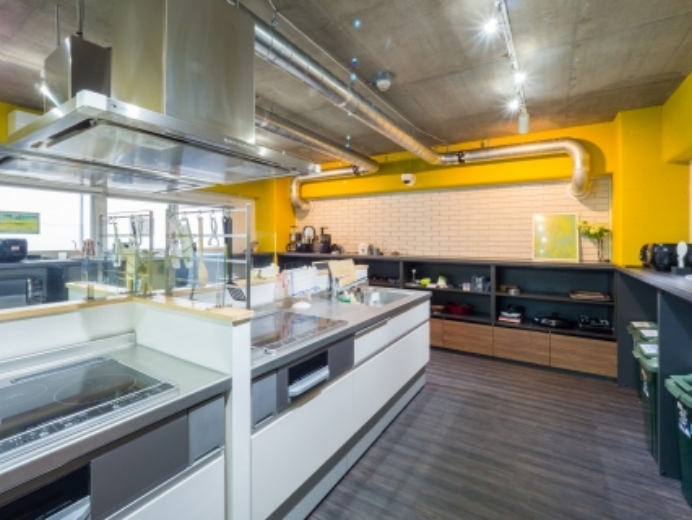
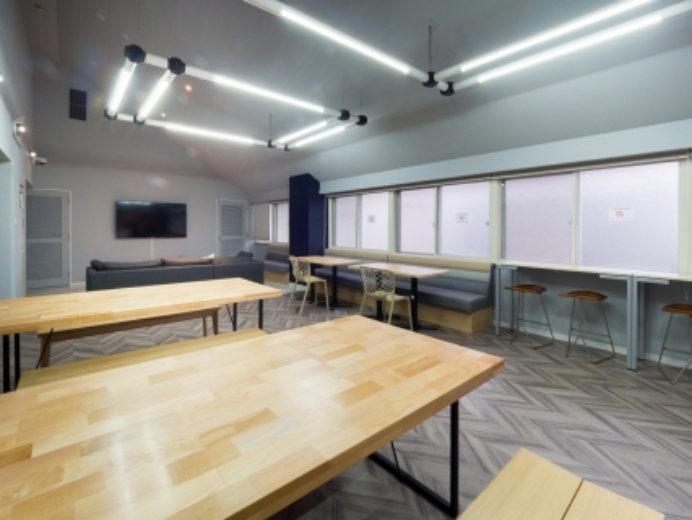
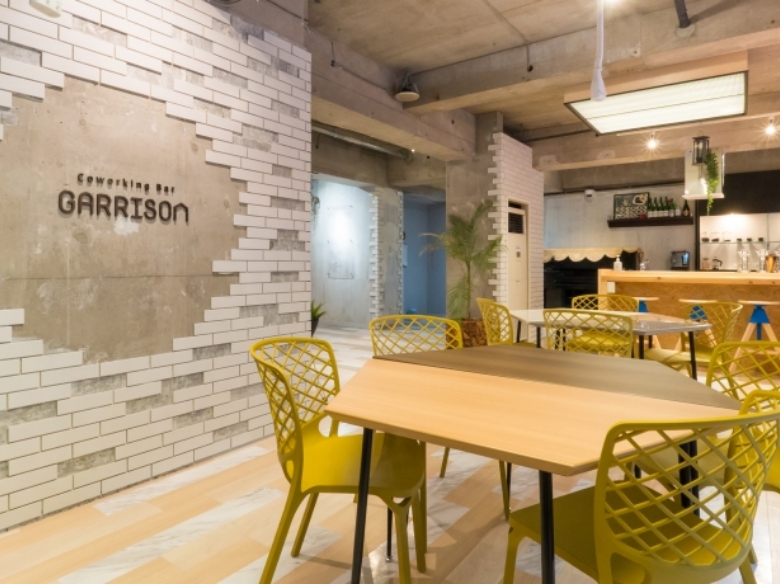
Shared lounges and kitchens
Furniture and facilities that are ready to use
Property management and support
Opportunities to meet other residents
Flexible ways to live
In some properties, workspaces, gyms, studios and events
Coliving does not simply mean sharing a bedroom.
For many people, its appeal is the ability to choose between privacy and connection: spending time alone in your own space when you want to, while having shared spaces and a community available when you want them.
Coliving vs. share house: What is the difference in Japan?
Coliving and share houses are not exactly the same thing, but they overlap significantly.
In Japan, “share house” is the long-established term for a managed rental home where residents typically have their own room or living area while sharing facilities such as a kitchen and lounge.
“Coliving” has become increasingly common internationally as a term for a similar way of living, often with additional emphasis on community, shared amenities, services and lifestyle.
The difference is therefore partly about terminology and emphasis, rather than an entirely different way of living.
Many Japanese share houses offer elements that international residents would recognize as part of a coliving experience.
Swipe to see more
Feature
Coliving
Share house in Japan
Private living space
Common
Common
Shared lounge / kitchen
Common
Common
Property management
Common
Common
Community
Often emphasized
Depends on the property
Furnished living
Often available
Common at Oakhouse
Flexible stays
Often available
Available at many Oakhouse properties
Workspaces / additional amenities
Often emphasized
Available at selected properties
Typical usage
Used internationally
Established term in Japan
At Oakhouse, the overlap is particularly visible in community-focused share houses and Social Residence® properties.
More than three decades of shared living at Oakhouse
Oakhouse’s history of shared living in Japan began in 1992, when we started providing homes for international residents and Japanese people returning from abroad. Oakhouse Co., Ltd. was established in 1998.
At that time, housing for international residents in Japan was much harder to find. Homes for international residents and guest houses used by returning Japanese travelers became places not only to live, but also to exchange information and meet people from different backgrounds.
As more Japanese residents joined these communities, this style of housing developed into what became widely known in Japan as the “share house.”
Oakhouse continued to develop the concept further.
Social Residence® redefines the share house as a more community-oriented social space, with properties that may include large shared lounges, multi-purpose studios, Social Office® workspaces, events and other opportunities for residents to enjoy, learn and grow.
The terminology has changed over time.
But the idea at the heart of modern coliving — having your own place to live while also having spaces and opportunities to connect with others — has been part of the Oakhouse experience for more than three decades.
From share houses to Social Residence®
1992
Housing business begins for international residents and Japanese returnees
1998
Oakhouse Co., Ltd. established
SHARE HOUSE ( Private space + Shared spaces + Exchange )
SOCIAL RESIDENCE® ( Community + Work + Learning + Activities )
TODAY
A style of living that overlaps with what the world now calls “coliving”
International recognition: Coliving Awards 2026
Social Residence Fussa named a finalist at the Coliving Awards 2026
In 2026, OAKHOUSE Co., Ltd. and Social Residence Fussa were selected as a finalist in the “Coliving Operator of the Year (Scale Up)” category at the Coliving Awards 2026.
The Coliving Awards recognise operators, projects and ideas shaping the international coliving sector. The 2026 edition received more than 70 submissions from 49 companies across 21 countries, with the awards ceremony taking place in London on October 14, 2026.
Social Residence Fussa represents many of the ideas Oakhouse has developed through shared living in Japan: private living spaces, large communal areas, an established resident community, professional management and opportunities for people to connect through everyday life.
For Oakhouse, being selected in an international coliving operator category is significant. Social Residence Fussa was originally developed and operated in Japan as a Social Residence®, rather than as a property created specifically to follow the global coliving trend. Its recognition by the Coliving Awards shows how closely the living experience developed by Oakhouse overlaps with what the international housing industry now describes as coliving.
Coliving Awards 2026
FINALIST Coliving Operator of the Year (Scale Up)
OAKHOUSE Co., Ltd.
Social Residence Fussa
More than three decades of shared living, in numbers
Oakhouse began its shared housing business in Japan in 1992.
Today, Oakhouse operates shared housing across Japan, bringing together residents from Japan and around the world.
1992SINCE
229PROPERTIES
5,379ROOMS
48SOCIAL RESIDENCE® PROPERTIES
105COUNTRIES & REGIONS
327(2025)COMMUNITY EVENTS PER YEAR
Property and resident data as of August 2026.
Who lives at Oakhouse?
EraCountry & Division
What does coliving look like at Oakhouse?
Coliving is about more than putting several people under one roof.
At Oakhouse, the elements associated with coliving take different forms depending on the property.
01
Your own private space
A private room gives you somewhere to relax, sleep and spend time on your own.
Sharing a home does not mean giving up your personal space.
02
Spaces worth sharing
Shared lounges, kitchens and other common areas give you more space than a room of your own.
The facilities available depend on the property.
03
Opportunities to connect
Shared spaces and events create opportunities to meet people naturally.
You can join in when you want to — and spend time in your own room when you do not.
04
A professionally managed home
Unlike arranging a room share yourself, Oakhouse manages its share houses and common areas and provides support for residents.
This operator-managed structure is one of the main differences between a professionally managed share house and arranging a private room share yourself.
05
Easier to start living
Oakhouse share houses are generally furnished and designed to reduce the amount residents need to arrange before moving in.
Exact facilities, fees and contract conditions vary by property, so check the individual property page before applying.
06
Live and work
Some Social Residence® properties include Social Office® spaces with Wi-Fi and office facilities.
They are designed for residents including remote workers, freelancers, students and people starting their own businesses.
Community, when you want it
One of the biggest attractions of coliving is the possibility of meeting people you might never have met while living alone.
But community does not mean that you have to socialize all the time.
At Oakhouse, shared lounges, kitchens, events and other activities create opportunities for residents to connect naturally. You decide how much you want to participate.
Some people come to Japan hoping to make friends. Others want a comfortable place to live and occasionally talk with their neighbors. Others may join language exchange, workshops or activities that interest them.
Coliving works best when both privacy and connection are available.
There is no single Oakhouse property type called “coliving.”
Instead, many of the characteristics associated with coliving can be found across Oakhouse share houses, and especially in community-focused properties and Social Residence®.
If you are looking for the Oakhouse living style that most closely reflects the ideas of coliving, start with Social Residence®.
Coliving is a style of shared living that combines private living space with communal facilities and opportunities to connect with other residents. The exact facilities and services vary by property.
Not exactly. In Japan, “share house” is the established term, while “coliving” is increasingly used internationally and often places greater emphasis on community, shared amenities and services. The two concepts overlap significantly.
Yes. In Japan, some homes described as share houses offer many of the same characteristics associated with coliving internationally, including private rooms, shared facilities, professional management and community.
No. Many coliving homes offer private bedrooms. What is shared varies by property and may include kitchens, lounges, bathrooms or other facilities.
No. Room sharing is generally arranged and managed by the people living together. Managed share houses and coliving properties usually have an operator responsible for property management and support.
Yes. Many coliving homes are designed so residents can spend time privately in their own room and use shared spaces when they want to connect with others.
No. The way residents use community spaces and events depends on the property and the individual. At Oakhouse, residents can choose how much they want to participate.
No. Facilities, services and community features vary by property. Oakhouse's community-focused share houses and Social Residence® properties have particularly strong similarities with what is internationally described as coliving.
Find your way to live in Japan
You do not have to choose between privacy and community.
Explore Oakhouse share houses and Social Residence® properties and find a home that gives you the balance that works for you.
Oakhouse began its housing business for international residents and Japanese returnees in 1992 and was incorporated in 1998. For more than three decades, Oakhouse has operated shared housing in Japan.